For homeowners within the City of Los Angeles who are rebuilding or repairing, the Los Angeles Department of Building and Safety (LADBS) has a wildfire rebuilding and recovery page that connects residents to guidance on demolition, temporary housing structures, and its One-Stop Rebuilding Center. This is especially important because repairs affecting structure, electrical, plumbing, HVAC, or roofing often require permits and inspections-and missing permits can cause expensive delays later.
Insurance is frequently the make-or-break factor for recovery, and many people underestimate how much documentation they'll need. The California Department of Insurance provides consumer help (including a hotline referenced in multiple official and public guidance sources), and nonprofits like United Policyholders publish practical claim guidance specifically for California wildfires-helpful when you're dealing with additional living expenses, contents inventory, smoke damage disputes, or claim delays.
Don't overlook property-tax relief. In Los Angeles County, the Assessor's office provides disaster relief / tax relief information, and its disaster packet includes forms like “Application for Reassessment: Property Damaged or Destroyed by Misfortune or Calamity (ADS-820).” Filing for reassessment can reduce property taxes while the home is damaged and until it's repaired or rebuilt, which can ease monthly pressure during recovery.

When you reach the “housing decision” stage, most owners face the same fork in the road: repair and sell, rebuild and stay, or sell as-is. Repairing can increase resale value and attract more traditional buyers, but it can also mean long timelines, contractor uncertainty, permit steps, and out-of-pocket costs while you wait for reimbursements. In a post-fire environment, even “minor” projects can expand once smoke remediation, insulation replacement, HVAC cleaning, or hidden structural issues are discovered.
Selling as-is is a legitimate option in Los Angeles and often the fastest path for homeowners who don't want (or can't afford) the rebuild timeline. The key is understanding legal requirements and disclosures. In California real estate transactions, sellers generally must disclose known material facts that could affect value or desirability-such as fire/smoke damage, prior remediation, and known defects. If you're unsure what you must disclose in your specific situation, it's wise to consult a qualified real estate professional or attorney before listing or signing an off-market contract.
If you sell as-is, cash buyers are commonly involved because traditional lenders may not finance severely damaged homes. A reputable cash buyer typically evaluates the property (including repair costs and permit complexity), makes an offer based on condition and comparable sales, and closes through escrow/title just like any other sale. Because there's no lender appraisal/underwriting process, closings can be much faster-especially helpful when you're managing temporary housing or mounting holding costs.
Insurance claims still matter even if you plan to sell. Some homeowners choose to complete a few high-impact steps-like debris removal coordination, basic smoke remediation, or securing the structure-using available insurance funds, then sell the remaining project as-is. Others sell and walk away from the rebuild entirely. Either way, keep a clean paper trail: claim correspondence, contractor estimates, receipts, and any environmental or remediation reports, because buyers and escrow may ask for clarity on what was done and what remains.
Step-by-step, a practical recovery-and-decision plan looks like this: (1) ensure immediate safety and follow local instructions; (2) photograph/video all damage and compile an itemized contents list; (3) contact your insurer and request a full copy of your policy; (4) use 211 LA and LA County Recovers to locate shelter/food/case management; (5) apply for FEMA assistance if your incident is covered and you have uninsured/underinsured losses; (6) confirm debris removal requirements and ROE steps; (7) talk to LADBS/your local jurisdiction about permits before signing major repair contracts; (8) get multiple contractor bids and compare timelines; (9) decide repair vs. as-is sale; (10) if selling, compare listing on-market vs. multiple cash offers.
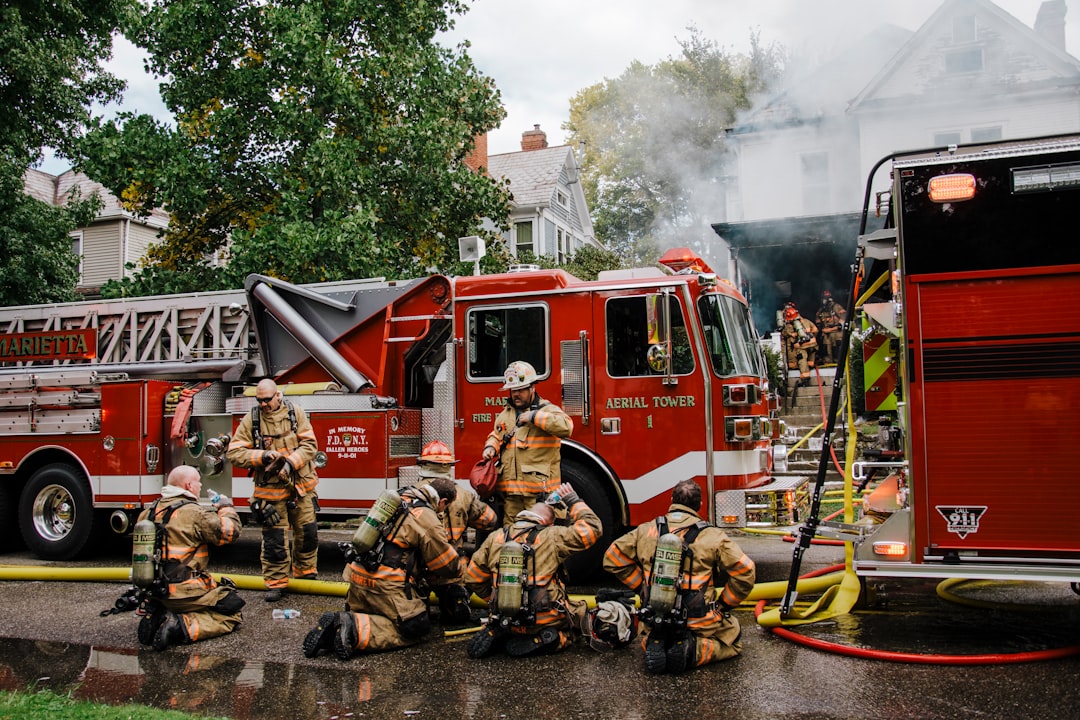
FAQs: Where can I get help fast in Los Angeles after a fire? Start with 211 LA for immediate needs and referrals, then check LA County Recovers for official recovery programs.


Do I need permits to repair fire damage? Many significant repairs do require permits; LADBS provides wildfire rebuilding guidance and a One-Stop Rebuilding Center resource for City of LA cases.
DBS City of Los Angeles Can I apply for FEMA help? If a FEMA disaster declaration applies to your area/incident, you can apply through DisasterAssistance.gov and also get in-person help at Disaster Recovery Centers.
More FAQs: Can I sell my fire-damaged home as-is in Los Angeles? Yes-many owners sell as-is, especially when repairs are extensive, but you must make appropriate disclosures and price accordingly. How do cash buyers work? Cash buyers typically purchase in current condition, often close faster, and handle repairs themselves-helpful when financing is difficult due to property condition. What about property taxes after a fire? LA County offers disaster-related property-tax relief programs and forms that may lower your tax burden while the property is damaged.
If you're overwhelmed by rebuilding timelines, insurance back-and-forth, or the cost of repairs, you still have options. If your goal is a fast, straightforward solution, consider requesting an as-is cash offer so you can compare it against the cost (and time) of repairs-then choose what's best for your family. If you need to sell quickly in Los Angeles due to wildfire damage, reach out for a no-obligation evaluation and a clear, written plan to close on your timeline.
How Wildfires Impact Home Values in Los Angeles
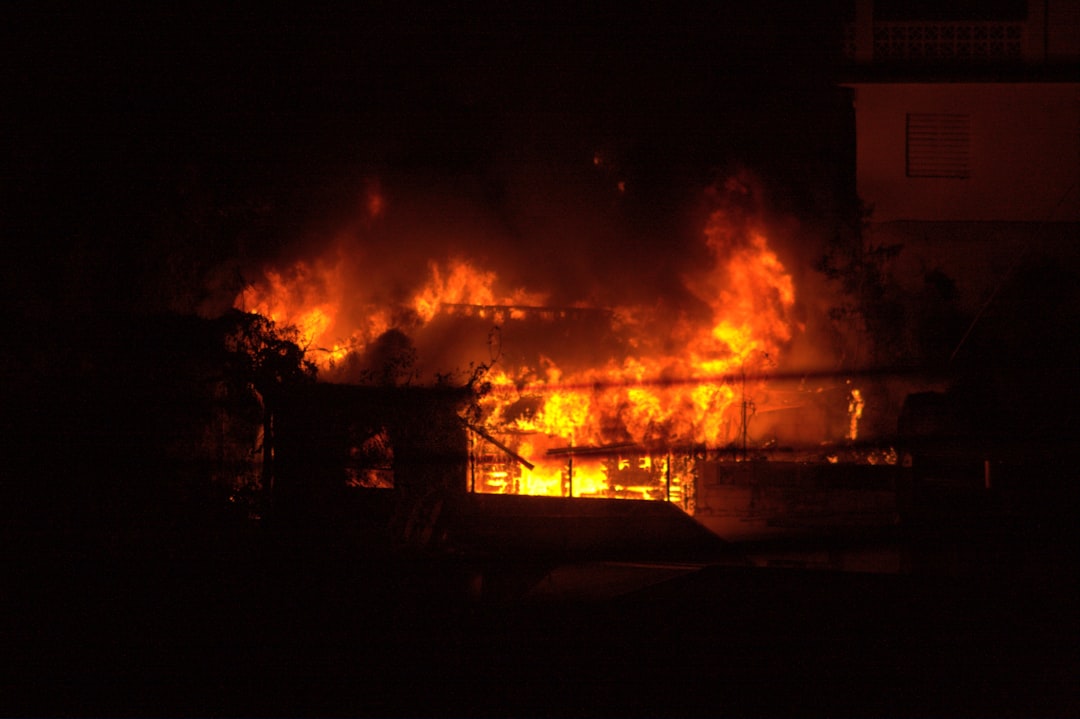
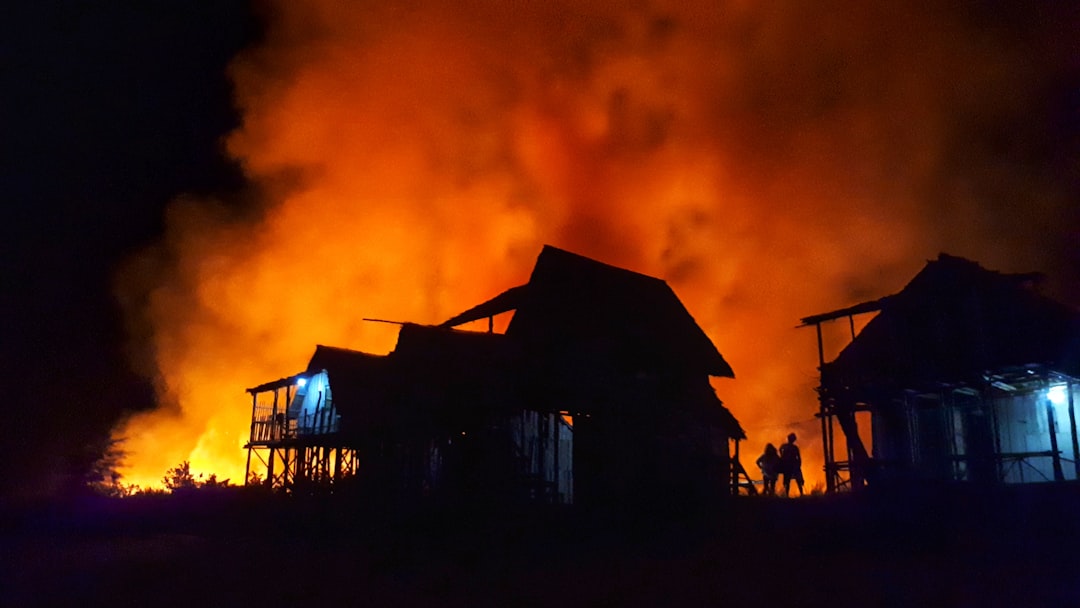
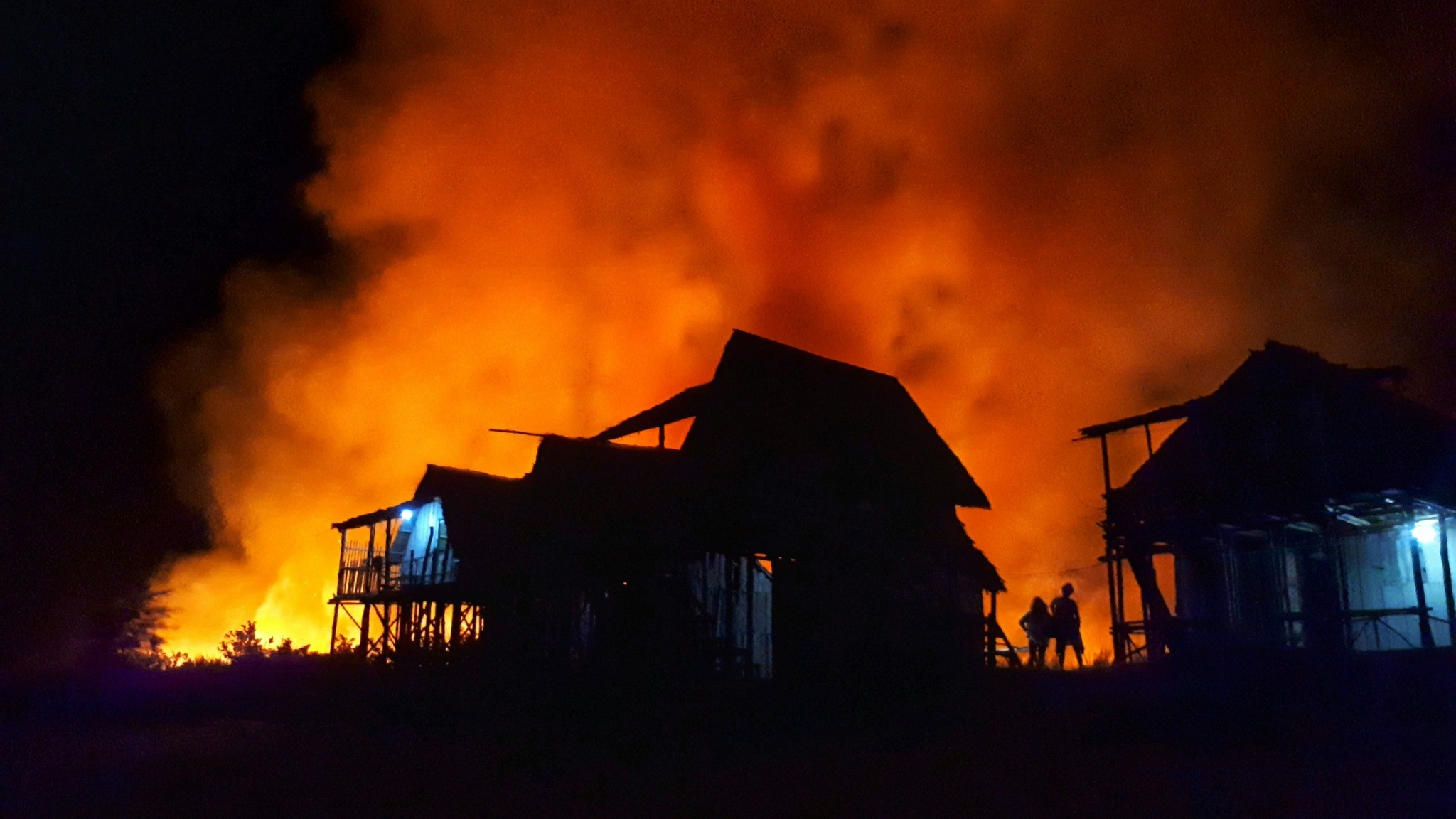
Wildfires have become a recurring concern across Southern California, and homeowners often ask the same urgent question: how do wildfires impact home values in Los Angeles? The short answer is that wildfire risk and fire-related damage can influence buyer demand, insurance availability, repair costs, and the time it takes to sell-all of which feed directly into value. Whether your property experienced direct fire damage or was affected by smoke, ash, evacuation orders, or changing risk maps, your home's market position can shift quickly.

In Los Angeles, wildfire-related value impacts often show up in two ways: immediate price pressure after an event and longer-term pricing differences tied to perceived risk. Even if a home looks intact, buyers may discount the price if they expect higher insurance premiums, future fire threats, or costly hardening upgrades. In higher-risk hillside areas or near wildland-urban interface zones, buyers can become more selective, which can reduce competition and soften offers.
A key driver is insurance, because a home's value isn't just about the structure-it's about how affordable it is to own. If a buyer can't obtain acceptable coverage, or if premiums are extremely high, they may walk away or demand a lower price to offset the ongoing cost. Sellers often feel this most during escrow, when the buyer's lender or agent requests proof of insurability and the buyer starts shopping for quotes.
Wildfires also affect values through condition and stigma, especially after smoke exposure. Smoke and ash can seep into insulation, attics, drywall, carpeting, and HVAC systems, creating odor and indoor air quality concerns. Even after professional remediation, some buyers remain wary, and that hesitation can translate into fewer showings, longer days on market, and price reductions-particularly when nearby listings are unaffected.

Yes. Homes with fire or smoke damage can legally be sold in Los Angeles. Sellers must disclose known damage and price the property based on its current condition, but repairs are not required before selling.
No. California allows sellers to sell homes as-is after wildfire damage. Many homeowners choose this option to avoid repair costs, permit delays, and long construction timelines.
Sellers must disclose known material facts, including fire damage, smoke or ash exposure, water damage from firefighting, remediation work completed, and known defects caused by the wildfire.
It can. Fire damage, smoke exposure, insurance challenges, and perceived fire risk may lower buyer demand. However, proper documentation, remediation, and realistic pricing can help protect value.
Financing can be difficult if the home has significant damage or incomplete repairs. Many lenders require properties to meet condition standards, which is why cash buyers are common for wildfire-damaged homes.
An open or recent insurance claim does not prevent a sale, but buyers may request details. Keep claim documents, adjuster reports, and repair invoices organized to avoid delays during escrow.
Selling as-is to a cash buyer is often the fastest option because it avoids lender requirements, repair timelines, and extended escrow periods.