Los Angeles Wildfire Damage & Home Selling Guide

Selling a Fire Damaged Home in Los Angeles

Los Angeles Wildfire Damage & Home Selling Guide

How Wildfire Damage Affects Home Selling in Los Angeles

Wildfires have become an ongoing reality for many Southern California homeowners, and Los Angeles is no exception. When a home is damaged by fire-whether it's heavy structural loss or lingering smoke and ash-selling can feel overwhelming. The good news is that fire damage doesn't automatically prevent a sale, but it does change the process, the buyer pool, and the timeline.

In Los Angeles, wildfire damage can affect property value, marketability, financing, inspections, and disclosure requirements. Even homes that “look fine” can carry hidden issues like smoke odor in insulation, compromised HVAC systems, or soot contamination. These concerns often lead buyers to negotiate aggressively or walk away after inspections.

What Los Angeles Homeowners Need to Know Before Selling After a Wildfire

Selling a home after a wildfire in Los Angeles is not the same as a traditional home sale. Even if your property survived without major structural damage, wildfire exposure can still affect buyer confidence, insurance availability, pricing, and how quickly your home sells. Before putting your home on the market, it’s important to understand the realities of selling in a post-wildfire environment.

1. Wildfire Damage Goes Beyond What You Can See

Many buyers assume hidden damage exists, even when a home looks intact. Common concerns include:

  • Smoke and soot trapped in insulation, walls, and attics

  • HVAC contamination and lingering odors

  • Water damage from firefighting efforts

  • Ash exposure affecting air quality

Because of this, buyers often order more thorough inspections and may request documentation showing professional cleanup or remediation.

2. Disclosure Is Not Optional

California law requires sellers to disclose known material facts that could affect a buyer’s decision. After a wildfire, disclosures often include:

  • Fire or smoke damage (even if repaired)

  • Water damage from suppression efforts

  • Remediation or restoration work completed

  • Known defects resulting from the wildfire

Failing to disclose wildfire-related issues can lead to canceled escrows, price renegotiations, or legal problems after closing.

3. Insurance Can Affect Your Sale

Insurance plays a major role in post-wildfire transactions. Buyers and lenders may ask:

  • Is the home currently insurable?

  • Are premiums unusually high?

  • Was there a recent or open insurance claim?

If you have an active or recent claim, keep records organized, including adjuster reports, scopes of loss, invoices, and proof of completed work. Clear documentation helps reduce buyer uncertainty.

4. Decide: Repair or Sell As-Is

One of the biggest decisions homeowners face is whether to repair the property or sell it as-is.

Repairing before selling may:

  • Increase your sale price

  • Attract more traditional buyers

  • Reduce buyer objections

But it also involves:

  • Upfront cash

  • Permit requirements

  • Contractor delays

  • Unexpected cost overruns

Selling as-is may:

  • Reduce stress and time

  • Eliminate repair management

  • Speed up the sale

For many displaced or financially stretched homeowners, selling as-is is the more practical option.

5. Cash Buyers Are Common After Wildfires

Cash buyers often step in when traditional financing becomes difficult. They typically:

  • Buy homes in as-is condition

  • Do not require lender repairs

  • Close faster than financed buyers

A legitimate cash buyer should provide proof of funds, explain pricing clearly, and use a neutral escrow or title company. Always compare offers before deciding.

6. Follow a Clear Step-by-Step Plan

Before selling, take these steps:

  1. Document all damage with photos and notes

  2. Gather insurance, repair, and permit records

  3. Understand your disclosure obligations

  4. Compare repair vs. as-is sale outcomes

  5. Review multiple selling options, including cash offers

Final Thoughts

Selling after a wildfire in Los Angeles can feel overwhelming, but knowledge puts you back in control. Whether you choose to repair, list traditionally, or sell as-is, understanding buyer expectations, legal requirements, and insurance realities will help you make the right decision.
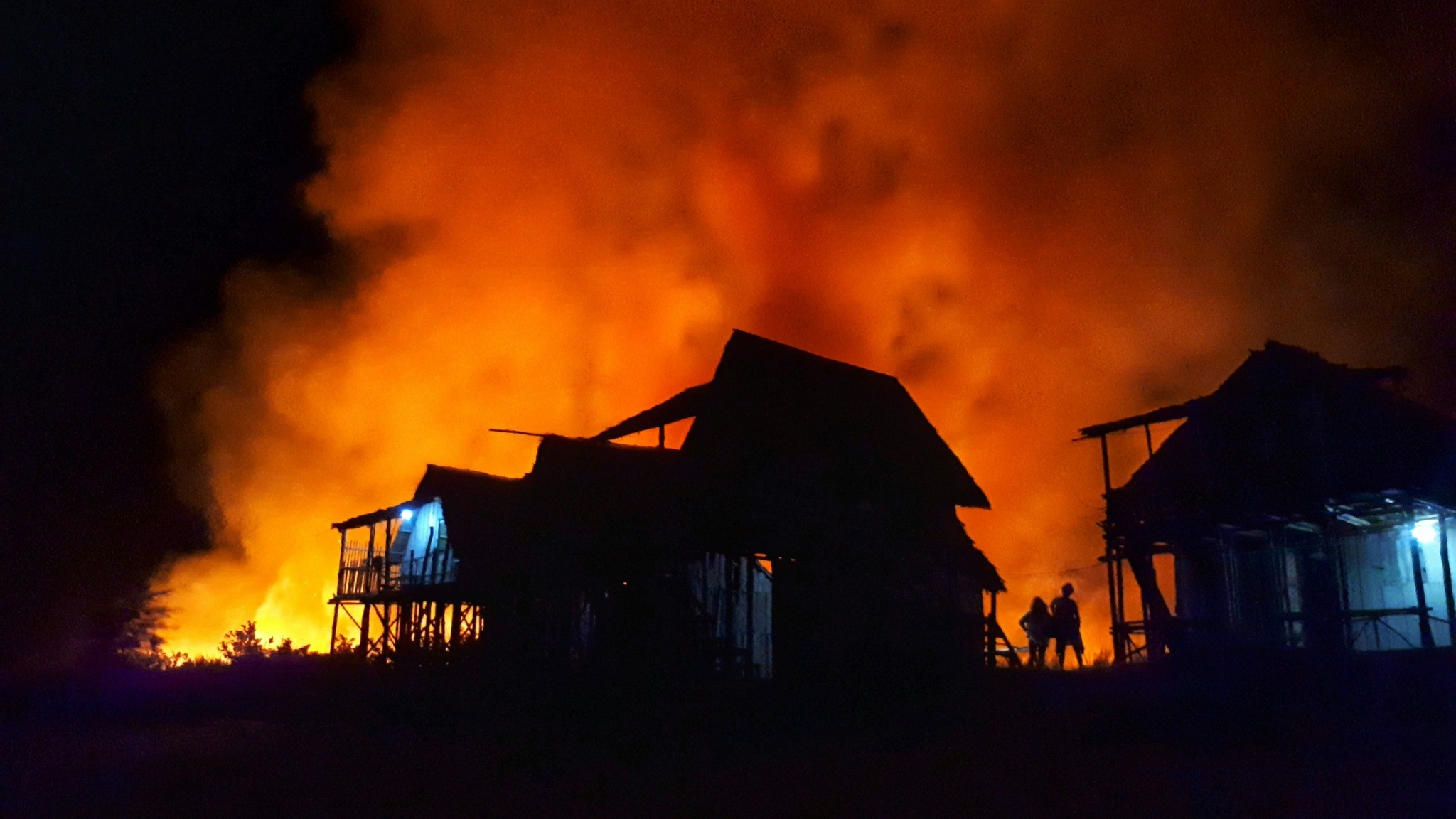
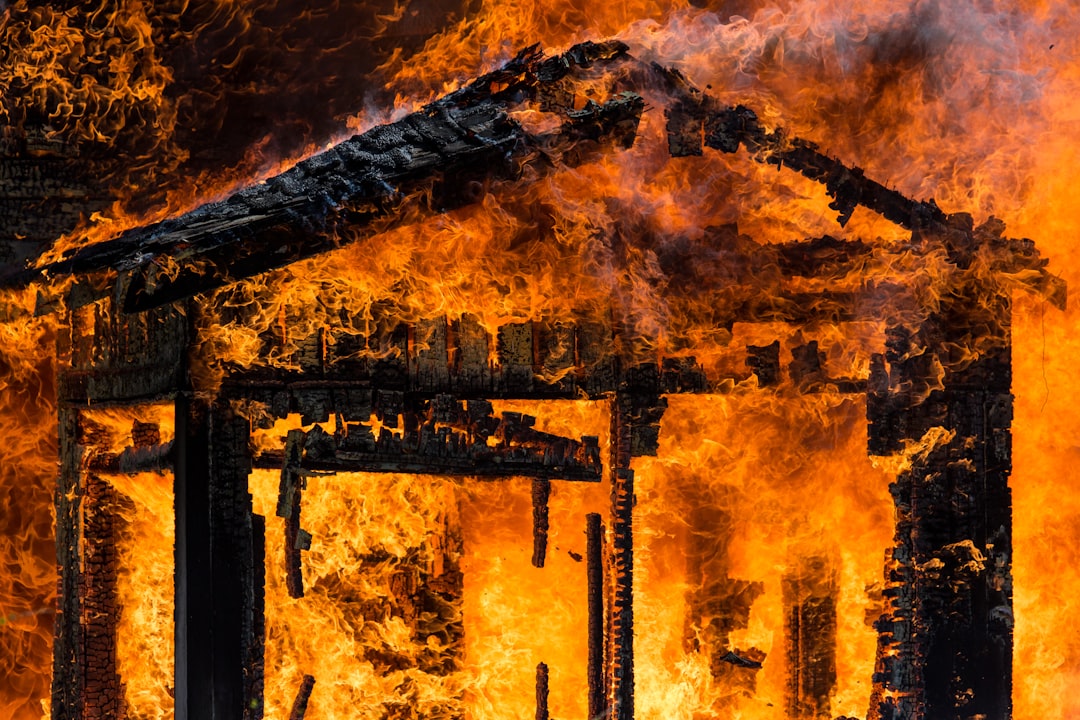
Selling After the Fire: A Los Angeles Wildfire Damage Guide for Homeowners

Selling a home after a wildfire in Los Angeles is a very different experience from a traditional real estate sale. Even if your property wasn’t completely destroyed, wildfire exposure can affect buyer confidence, insurance availability, pricing, and how long your home stays on the market. Understanding what to expect before selling can help you avoid delays and costly mistakes.

1. Understand the Full Scope of Wildfire Damage

Wildfire damage isn’t always visible. Buyers often worry about:

  • Smoke and soot trapped in walls, insulation, and attics

  • HVAC systems contaminated by ash and smoke

  • Water damage from firefighting efforts

  • Lingering odors and indoor air quality issues

Because of these concerns, buyers may request specialized inspections or discount their offers if cleanup documentation is missing.

2. Know Your Legal Disclosure Obligations

California law requires sellers to disclose known material facts that could affect a buyer’s decision. After a wildfire, disclosures typically include:

  • Fire or smoke damage (past or present)

  • Remediation or restoration work completed

  • Water damage related to firefighting

  • Known defects caused by the wildfire

Failing to disclose wildfire-related issues can lead to canceled escrows, price renegotiations, or legal problems after the sale.

3. Insurance Can Make or Break a Deal

Insurance plays a major role when selling after a fire. Buyers and lenders may ask:

  • Is the home currently insurable?

  • Are premiums unusually high due to fire risk?

  • Is there an open or recent insurance claim?

Keep all insurance paperwork organized, including adjuster reports, invoices, and proof of completed repairs. Clear documentation helps reduce buyer hesitation.

4. Decide: Repair the Home or Sell As-Is

One of the biggest decisions homeowners face is whether to repair the property before selling.

Repairing before selling may:

  • Increase your sale price

  • Attract more traditional buyers

  • Reduce buyer objections

However, repairs often involve:

  • Upfront cash

  • Permit requirements

  • Contractor delays

  • Unexpected cost overruns

Selling as-is may:

  • Speed up the sale

  • Eliminate repair stress

  • Reduce out-of-pocket expenses

Many Los Angeles homeowners choose as-is sales after a wildfire to avoid long rebuild timelines.

5. How Cash Buyers Fit In

Cash buyers are common in post-wildfire situations because they:

  • Buy homes in as-is condition

  • Don’t rely on lender approval

  • Can close faster than financed buyers

A reputable fire house cash buyer should provide proof of funds, explain pricing clearly, and use a neutral escrow or title company. Comparing multiple offers is always recommended.

6. Follow a Step-by-Step Selling Plan

Before listing or accepting an offer:

  1. Document all damage with photos and notes

  2. Gather insurance, repair, and permit records

  3. Review disclosure requirements carefully

  4. Compare repair vs. as-is sale outcomes

  5. Evaluate traditional listings versus cash offers

Final Thoughts

Selling after a wildfire in Los Angeles can feel overwhelming, but preparation gives you control. Whether you choose to repair or sell as-is, understanding buyer expectations, legal rules, and insurance realities will help you move forward with confidence. For homeowners needing a fast, straightforward solution, exploring as-is or cash-sale options may be the quickest path to closing and recovery.

Wildfire Damage Home Selling Los Angeles

    One of the most common challenges is buyer hesitation. Traditional buyers usually want a move-in-ready home, and many don't want the uncertainty of repairing fire-related damage. In competitive LA neighborhoods, buyers may simply shift to another listing rather than deal with remediation or insurance complications.

    Another obstacle is financing. Most buyers rely on mortgages, but lenders can be strict about property condition. If a home has major damage, missing drywall, roof issues, or safety hazards, it may not qualify for conventional, FHA, or VA financing. That can eliminate a large part of the market and leave sellers with fewer offers.

    Insurance and documentation can also slow down a sale. After wildfire events, many homeowners are juggling adjuster visits, contractor bids, temporary housing, and claim paperwork. If repairs are partially completed or the claim is still open, buyers may demand clarity on what has been paid, what work remains, and whether there are ongoing risks.

    Sell House After Wildfire Los Angeles

    Sell House After Wildfire Los Angeles

    Smoke and ash damage create their own selling challenges in Los Angeles. Even when flames never touched the structure, wildfire smoke can penetrate drywall, attics, carpets, and ductwork. Buyers are increasingly aware of indoor air quality concerns, so smoke remediation and proof of cleaning (like invoices, clearance testing, and HVAC servicing records) can matter.

    Legal requirements are a major part of selling a fire-damaged home in California. Sellers generally must disclose known material facts that could affect value or desirability. This includes fire damage, smoke damage, repairs performed, and known defects that resulted from the wildfire or subsequent remediation. In practice, that means you'll want to document everything-what happened, what inspections were done, what contractors addressed, and what issues remain.

    You may also need to consider local and state regulations tied to rebuilding and permits. In Los Angeles, many repairs-especially structural work, electrical, plumbing, roofing, or HVAC replacement-require permits and inspections. Unpermitted repairs can create problems during escrow when buyers request proof of permits or when appraisers flag questionable work.

    Fire Damaged House Los Angeles Sell

    Homeowners often face a major decision: repair the home before selling or sell it as-is. Repairing can increase the sale price and open the door to traditional financed buyers, but it may require significant upfront cash, time, and project management. It can also be risky if contractor estimates rise, permitting delays occur, or the market shifts while you're rebuilding.

    Selling as-is can be faster and less stressful, especially if the home has extensive damage or you can't wait months for repairs. With an as-is sale, you typically skip major renovations and instead price the home based on its current condition. The tradeoff is that you may receive lower offers, but you also avoid repair costs, holding expenses, and the emotional burden of rebuilding.

    Cash buyers are often a practical solution for fire-damaged homes in Los Angeles because they don't rely on mortgage approval. Many cash buyers (including investors and professional home buyers) purchase properties in distressed condition and handle repairs themselves. Since they can close quickly and accept as-is condition, they can be a strong option when a seller needs speed or certainty.

    Fire Damaged House Los Angeles Sell
    Smoke Damaged Home Selling Los Angeles

    Smoke Damaged Home Selling Los Angeles

    Understanding how reputable cash buyers work can help you avoid bad experiences. Typically, the process starts with a walkthrough or inspection, followed by an offer based on location, damage level, repair costs, and comparable sales. A legitimate cash buyer should explain their pricing logic, give you time to review paperwork, and use a neutral escrow company or title company for closing.

    Insurance claims also play a key role in deciding how to sell. If your insurance claim is open, you may still be eligible for funds to repair or remediate, but you'll want to confirm how claim payments, recoverable depreciation, and contractor agreements affect ownership and transfer. Some sellers choose to complete certain remediation steps using insurance funds (like smoke cleaning and debris removal) to improve sale value, then sell the rest as-is.

    Here's step-by-step guidance for selling a fire-damaged home in Los Angeles with less stress. First, document the damage with photos, contractor notes, and insurance records. Second, get an independent inspection or remediation assessment (especially for smoke and HVAC). Third, decide whether you're selling repaired or as-is based on your timeline and budget. Fourth, understand disclosures and gather permit records where applicable. Fifth, compare listing with an agent versus requesting cash offers from multiple buyers to see your real options.

    Local Resources for Fire Victims Los Angeles

    If you list on the open market, pricing strategy is everything. You may need to price below turnkey comps to account for repair risk, and you'll want a clear narrative for buyers: what happened, what was repaired, and what remains. If you go the cash-buyer route, protect yourself by comparing offers, verifying proof of funds, and ensuring the contract doesn't contain unfair cancellation clauses.

    FAQs: Can I sell my house in Los Angeles if it has wildfire damage? Yes-homes can be sold with fire or smoke damage, but disclosures and pricing must reflect the condition. Do I have to repair the home before selling? No-California sellers can sell as-is, but you must disclose known issues. Will insurance pay me if I sell? It depends on your policy and claim status; ask your adjuster how payments and remaining benefits work. Do cash buyers pay closing costs? Many cash buyers cover typical closing costs, but always confirm in writing. How fast can a fire-damaged home sell? A cash sale can often close much faster than a financed transaction, depending on title and escrow timelines.

    If you're dealing with wildfire damage and need a fast, straightforward solution, you don't have to navigate it alone. Whether your home has major fire damage, lingering smoke issues, or you simply can't wait through months of repairs and permitting, a reputable cash buyer may help you sell as-is with fewer obstacles. Reach out today for a no-obligation cash offer and a clear plan to move forward-so you can focus on recovery, not paperwork.

    Fire Damaged House Los Angeles Sell
    Los Angeles Wildfire Assistance for Homeowners

    Local Resources for Fire Victims in Los Angeles

    In the days and months after a wildfire, many Los Angeles homeowners find themselves juggling urgent needs-temporary housing, safety concerns, paperwork, cleanup decisions, and financial pressure. If you're searching for local resources for fire victims in Los Angeles, the fastest path forward is usually to combine official county/city recovery hubs, insurance-claim support, and rebuilding/permit guidance-then decide whether rebuilding, repairing, or selling as-is makes the most sense for your situation.

    One of the biggest challenges fire victims face is simply figuring out “what to do first.” Agencies and programs often require certain steps in a specific order: document damage, contact your insurer, apply for assistance, complete debris removal approvals, and then start permitting or repair bids. FEMA specifically encourages survivors to contact insurance first and then apply for disaster assistance when eligible, and it also offers in-person help through Disaster Recovery Centers (DRCs).

    Fire-Affected LA Neighborhoods & Seller Resources

    Los Angeles Wildfire Assistance for Homeowners

    Frequently Asked Questions


    Yes. Homes with fire or smoke damage can legally be sold in Los Angeles. Sellers must disclose known damage and price the property based on its current condition, but repairs are not required before selling.

    No. California allows sellers to sell homes as-is after wildfire damage. Many homeowners choose this option to avoid repair costs, permit delays, and long construction timelines.

    Sellers must disclose known material facts, including fire damage, smoke or ash exposure, water damage from firefighting, remediation work completed, and known defects caused by the wildfire.

    It can. Fire damage, smoke exposure, insurance challenges, and perceived fire risk may lower buyer demand. However, proper documentation, remediation, and realistic pricing can help protect value.

    Financing can be difficult if the home has significant damage or incomplete repairs. Many lenders require properties to meet condition standards, which is why cash buyers are common for wildfire-damaged homes.

    An open or recent insurance claim does not prevent a sale, but buyers may request details. Keep claim documents, adjuster reports, and repair invoices organized to avoid delays during escrow.

    Selling as-is to a cash buyer is often the fastest option because it avoids lender requirements, repair timelines, and extended escrow periods.